Local life
Lab space in Oxford and Oxfordshire: from first visit to permanent home
Explore labs, incubators and innovation workspace, with Milton Park and Harwell at the heart of a practical guide for businesses ready to visit, start and grow in Oxfordshire.
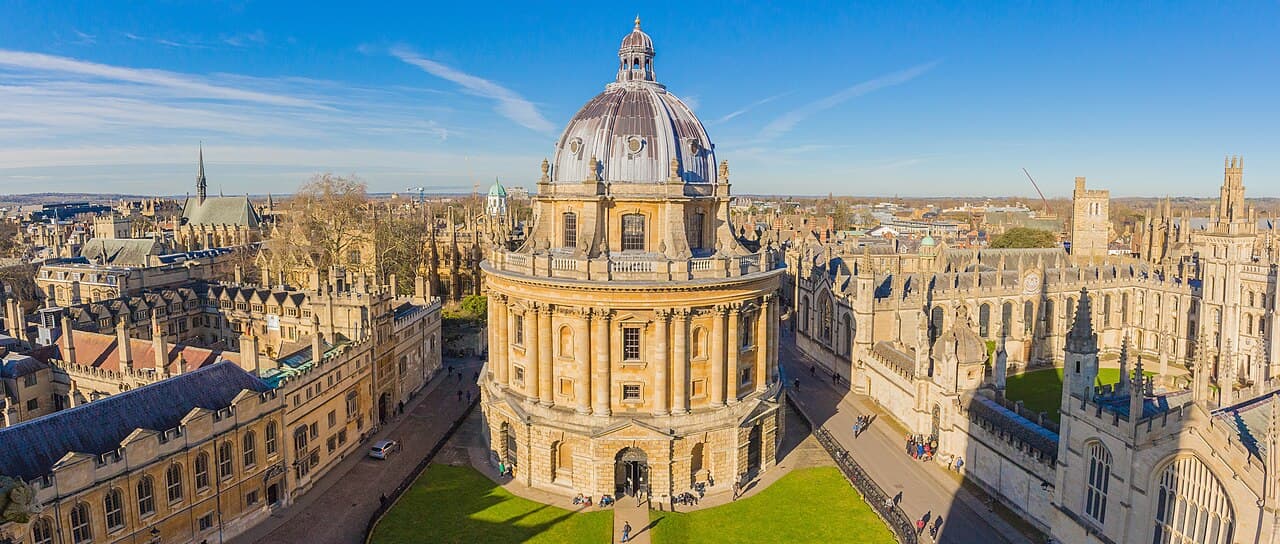
Come to Oxfordshire with an idea, a small team or an established business looking for its next home. Across the city and surrounding science parks, there are places to begin with a desk or laboratory bench, develop a product and build a larger operation. The choice extends across life sciences, engineering, clean technology, space, quantum and digital businesses.
Make Milton Park and Harwell Campus two anchors for your search. Both are south of Oxford in wider Oxfordshire, with their own communities and reasons to visit. Add city and specialist locations according to the people, equipment and workspace your business needs. This shortlist compares business stage, type of space and location; it is an editorial starting point for viewings. Official information was checked on 22 September 2026. Advertised availability and future opening dates need confirming for your intended move.
Explore Oxford
Plan your visit
Start with the space your next milestone needs
Exploring Oxfordshire: begin with a booked campus visit, meetings and suitable co-working or office space. For software, AI and business development teams, a flexible office can be a useful first foothold. Bee House at Milton Park and Harwell Innovation Centre are options to investigate; their office offers should not be confused with wet-laboratory provision. Incubating an idea: look for a shared bench, technical support and equipment that would be expensive to provide independently. BioEscalator serves eligible biomedical ventures, while Begbroke's AgileLab offers dedicated benches with shared facilities for early scientific commercialisation. Growing a team: compare a private fitted laboratory, a workshop or a combination of technical and office space. A lab-enabled building may still need substantial fitting out; ask exactly what will be installed before you arrive. Choosing a permanent home: look beyond the first suite to a larger building, manufacturing capability or a bespoke development. Here, permanent means a long-term business base, with room to grow and a practical daily journey for the team.
Milton Park: establish a foothold and plan your expansion
Between Didcot and Abingdon, Milton Park deserves an early visit if you want a choice of offices, laboratories, R&D and industrial premises within one business community. Its appeal is the breadth of that offer: you can discuss your immediate requirement alongside the next stage of the company. For an exploratory presence, Bee House offers co-working, serviced offices and meeting facilities, with the Hive Café providing somewhere to meet between appointments. The Innovation Centre is another serviced-office option. These can support commercial teams and visiting founders; businesses conducting experiments should discuss the Park's separate lab listings. Those listings include fitted, partly fitted and lab-enabled accommodation. On the check date, examples ranged from a 1,516 sq ft lab-and-office suite at 127 Olympic Avenue to the larger fitted laboratory building at 60 Jubilee Avenue. These are examples of the range, subject to letting and technical suitability. Nebula, completed in 2025, adds R&D premises suited to businesses needing features such as high ceilings, equipment access and enhanced power. Its shell-and-core offer gives occupiers scope to fit out their own operation; confirm the specification and programme for the unit you view. Milton Park also offers bespoke design-and-build opportunities. Our suggested fit: companies looking for a route from a small local presence to substantial scientific, engineering or manufacturing premises. Ask the lettings team to show you today's realistic option and what a later expansion could involve.
Harwell: build your business close to specialist research
Harwell Campus, near Didcot, is a compelling stop for businesses whose progress depends on scientific facilities, technical collaborators or a specialist industry community. Its activities span space, health technology, energy and quantum. National facilities on campus include Diamond Light Source, ISIS Neutron and Muon Source and the National Quantum Computing Centre. Discuss arrangements for using a particular facility separately from the property enquiry. Early businesses have several entry points. Harwell Innovation Centre offers offices and business support, while the campus also points to serviced laboratories, clean rooms and sector-specific incubation programmes. The ESA Business Incubation Centre supports ventures using space technology or developing technology for space; eligibility and applications belong to the programme. CO:LABS is the major new laboratory opportunity to watch. On 22 September 2026, Harwell advertised availability from October 2026. Its published offer combines Motherlabs accelerator accommodation, fitted CL2 laboratories, shared facilities and larger space for growing companies. CL2 refers to containment level 2; the operator needs to confirm whether the particular space supports your proposed work. For a longer-term base, ask about the wider campus portfolio of R&D, laboratory and manufacturing premises as well as CO:LABS. Our suggested fit: companies with a clear reason to work alongside Harwell's research facilities or specialist communities. Arrange both a property viewing and an introduction relevant to your technology so the visit tests the business opportunity as well as the building.
Find your first laboratory in Headington or Begbroke
BioEscalator, on Oxford's Old Road Campus in Headington, offers shared laboratory benches and private space for early biomedical companies. Its admission criteria require innovative science with healthcare potential, alignment with University research and growth potential; contract research organisations are excluded. Start with an eligibility discussion and tour. It is a focused option for an appropriate biomedical venture. The Wood Centre for Innovation on Quarry Road, Headington, offers laboratory, technical and office space for science and technology businesses, including life sciences and deep technology. Shared equipment and business support make it worth considering for a team moving into its first dedicated premises. Ask which Linden or Aspen accommodation is ready for your required start date. Begbroke Science Park, north of Oxford, brings businesses together with University research groups. Its AgileLab offers a dedicated laboratory bench and office hot desk, shared wet-lab equipment and operational support. It is a useful starting enquiry for early scientific businesses, with wider park accommodation to discuss as the team grows. Match the equipment and permitted work to your project before comparing bench prices.
Explore new city space and larger Oxford laboratories
Oxford North broadens the choice for businesses wanting a base in the city. Its first phase is open, and the operator advertises fitted lab accommodation from approximately 1,000 sq ft at 1 and 2 Fallaize Street, alongside larger requirements. The Red Hall offers start-up and grow-on workspace. This makes Oxford North worth comparing when your team needs a modern combination of laboratory and office accommodation; distinguish the current buildings from later development phases. The Oxford Science Park, on the southern side of the city, offers another route through different business stages. Its Magdalen Centre buildings include laboratory and office accommodation with shared laboratory facilities. Larger requirements can be discussed across the park, including the Iversen Building, marketed with laboratory and office space from approximately 15,000 sq ft. Our suggested comparison: consider Oxford North for its newly established district and fitted-space offer, and The Oxford Science Park for its combination of an established innovation centre and larger laboratory buildings. Ask both for the actual available suite, its fit-out condition and a realistic occupation date.
For engineering and hardware, include Culham
A business building physical products may need a workshop, testing area or equipment installation that a conventional wet lab cannot accommodate. Culham Campus, south of Oxford, offers laboratories, workshops and offices in a setting centred on UKAEA's fusion research and advanced engineering. The campus identifies fusion and its supply chain, robotics, control systems, advanced materials, engineering design and testing among its areas of interest. Culham Innovation Centre provides a further enquiry route for smaller technology businesses. Start by discussing how your work fits the campus, then ask about power, floor loading, deliveries and the equipment you plan to install. Compare those practical requirements with Milton Park's R&D options and relevant Harwell premises.
Turn a scouting trip into a useful Oxfordshire visit
For a first trip, allow two days if you want to compare the city with both featured campuses. This is a suggested appointment plan; agree each visit with its host. Day one: choose one or two Oxford-area locations that fit your work. A biomedical team might start in Headington; a business comparing larger city premises might visit Oxford North or The Oxford Science Park. Add a meeting with a potential collaborator. Leave the evening for Oxford itself: a meal, a walk or a performance helps colleagues picture spending time here. Day two: arrange a morning at Milton Park and an afternoon at Harwell, leaving room for the transfer and campus reception. Use the first meeting to compare premises and the second to explore the relevant research community, or reverse the order to suit your hosts. Didcot Parkway is a useful rail arrival point for both campuses, with onward bus connections described in their visitor information. Confirm the building entrance and the day's services before travelling. Test the journey from any area where staff might live. A promising viewing becomes much more informative when you also understand the everyday commute, food options and places to meet.
Choose a home for the business you are becoming
Send each shortlisted operator the same concise brief: what you make or research, your current and expected team size, the space and equipment you need, your intended move date and a budget that includes running costs. This gives the property team something concrete to match. Compare what is included: usable lab, workshop and office areas; shared equipment; technical support; utilities; waste services; access hours; and any fitting-out work you must arrange. Ask for a complete cost breakdown and the proposed commitment, including options for expanding or moving within the location. Then test the two reasons for choosing Oxfordshire: the work you can do here and the people you can work with. Identify the particular collaborators or services that matter to your business and ask how introductions or access would work. A nearby research facility is most valuable when you know how it connects to your project. Make the next step a visit. Start with Milton Park's workspace team for a broad premises search and Harwell's property team for a campus and technology discussion. Add the specialist location that fits your stage, and ask each host to show how your first Oxfordshire address could develop into a lasting home. Official workspace and enquiry pages are linked in the sources below.
Editor’s note
Check before you travel
Opening hours, prices and access arrangements can change. Check the linked official information before setting out.
Sources & visitor information 22 sources · Checked 22 Sept 2026
Compiled from published visitor information, rather than firsthand venue reviews. Check current hours and booking details before travelling.
- Milton Park: workspace range and current listings
- Milton Park: laboratory space and specifications
- Milton Park: Bee House offices and co-working
- Milton Park: Nebula R&D premises
- Milton Park: Nebula completion announcement, February 2025
- Milton Park: travel and onward connections
- Harwell: offices, incubation and early-stage space
- Harwell: CO:LABS specification, October 2026 availability and enquiries
- Harwell: specialist space community and wider premises
- Harwell: national facilities and campus development
- Harwell: visitor travel information
- BioEscalator: biomedical incubation and space
- BioEscalator: eligibility and application process
- The Oxford Trust: Wood Centre for Innovation
- Begbroke Science Park: community and space
- Begbroke: AgileLab benches, facilities and enquiries (PDF)
- Oxford North: current phase and fitted lab offer
- The Oxford Science Park: Magdalen Centre and building range
- The Oxford Science Park: Iversen laboratory and office accommodation
- The Oxford Science Park: location and visitor information
- Culham Campus: premises and business fit
- Culham Campus: Innovation Centre and business support